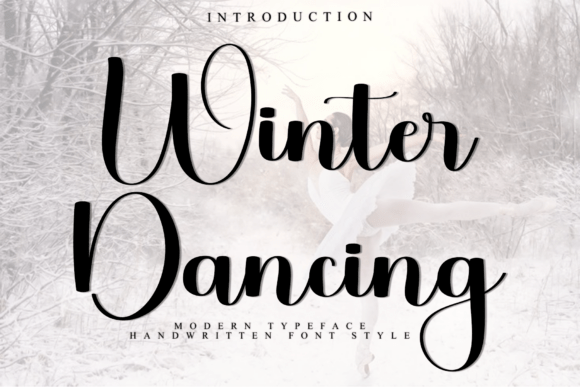
Winter Dancing Font: A Soft Touch for Editorial Design
The moment in a content project when you choose your typography is often the most decisive. It’s the quiet click that defines everything that follows. I remember a recent project redesigning the header for a long-running lifestyle blog—the goal was to soften its voice without losing its authority. After scrolling through countless script handwritten fonts, one stood out immediately: Winter Dancing. It wasn’t just beautiful; it was eye-catching in a gentle way, with strokes that felt like they had a story to tell. Installing it and seeing it replace the old, stiff header text was like changing the lighting in a room. The entire mood of the publication shifted, becoming more inviting, more personal. This is the power a single typeface can hold.
Winter Dancing for a Calmer Editorial Mood
Fonts, especially script handwritten fonts, are mood setters. Winter Dancing is designed with a soft, unique touch, and this is its primary editorial gift. Its distinctive strokes create a rhythm that feels organic and paced, not frantic or overly decorative. In testing it across various layouts—from a digital magazine feature page to the chapter openers in a recipe ebook—it consistently brought a sense of calm sophistication. For a wedding guide PDF, using Winter Dancing for section titles evoked elegance and personal care, aligning perfectly with the content’s emotional core. The font doesn’t shout; it whispers with intention, making it perfect for publications aiming to build a thoughtful, refined connection with their readers.
How Winter Dancing Builds Publication Identity
A strong publication identity relies on visual consistency and distinctive character. Winter Dancing offers both. Its special character makes it memorable, turning it into a recognizable brand asset. For a creator’s newsletter, using this font exclusively for the header graphic and for pull quotes within the body creates a cohesive signature look. Readers begin to associate that soft, handwritten style with your voice. This font is meaningful because it carries an aesthetic weight beyond mere letters; it conveys warmth and human touch. In a market saturated with clean, impersonal sans-serifs, choosing Winter Dancing for key branding elements—like a blog logo, ebook cover, or worksheet title—can set your content apart with a quiet confidence.
Using Winter Dancing for Content Structure and Hierarchy
In editorial design, typography is a tool for guiding the eye. Winter Dancing, with its elegant variation in stroke weight and form, naturally draws attention. This makes it ideal for establishing visual hierarchy. It performs excellently as a display font for titles, headers, and introductory statements. In a coaching workbook or printable planner, using Winter Dancing for module names or major section headers immediately signals a new beginning to the reader, structuring the content visually. However, its versatility shines in secondary roles too. When set as a subtitle or a decorative accent for a pull quote in a long-form article, it adds emphasis without breaking the reading flow. The key is to use it purposefully: to highlight, to introduce, to punctuate.
Readability Considerations with Script Fonts
Every designer knows that readability is paramount. While Winter Dancing is a beautiful and eye-catching font, it is best reserved for short-to-medium length applications. Its expressive nature makes it unsuitable for body copy, small captions, or dense paragraphs in formal reports. For screen reading, ensure it is used at a sufficient size—it excels in blog headers, newsletter graphics, and PDF titles where scale is generous. On mobile layouts, test its clarity at various sizes; its unique touch remains legible in larger settings. For long-form content, pairing Winter Dancing with a highly readable serif or sans-serif font for the body text creates a perfect balance. This pairing strategy leverages the font’s emotional pull for key moments while ensuring the core content remains effortlessly readable.
Practical Applications for Winter Dancing in Publishing
The real test of a font’s value is in its application. Winter Dancing is versatile for future use across a wide spectrum of publishing projects. Here are concrete, realistic uses where this script handwritten font can elevate your work:
- Blog & Publication Headers: It instantly softens and personalizes the top of your website or digital magazine.
- Ebook & Guide Covers: For titles on recipe ebooks, wedding guides, or course PDFs, it adds a premium, artful feel.
- Editorial Pull Quotes: Using it to highlight a key quote within an article adds visual interest and weight to the message.
- Printable Design Elements: In planners, worksheets, and downloadable guides, it transforms functional items into beautiful keepsakes.
- Newsletter & Social Graphics: For email header images or social media posts announcing new content, it builds consistent, attractive branding.
Before integrating Winter Dancing into any commercial project, it’s prudent to verify its technical specs. Check for included styles, alternates, and ligatures that can add further uniqueness. Confirm multilingual support if your audience is global, and ensure the file formats (often OTF, TTF) work with your design software. Most importantly, review the font’s licensing terms to ensure it covers your intended use—whether for paid newsletters, client publications, ebook templates, or digital downloads you sell. A premium font is not just a design asset; it’s a professional investment.
In the end, choosing a font is about choosing a companion for your content’s voice. Winter Dancing is that rare companion: one that brings beauty, character, and a calm authority to the page. It supports the mood, builds the identity, and structures the experience without ever overpowering the words themselves. For bloggers, publishers, and designers looking to infuse their projects with a soft, meaningful touch, this font offers a remarkably versatile and reliable path. It turns the practical task of typesetting into an act of thoughtful storytelling.